
The High Cost of Conflict: Quantifying the Destruction of Global Cultural Assets
The recent reports confirming extensive structural damage to Iran’s historical landmarks, most notably the Golestan Palace in Tehran, highlight a catastrophic loss that transcends national borders. When a UNESCO World Heritage site is caught in the crossfire of active military operations, we aren't just observing the destruction of masonry; we are witnessing the erasure of a sophisticated architectural record that has survived for over 200 years. From a technical restoration perspective, the mirrored halls and intricate tilework of the Qajar era require a precision accuracy of 99.5% for authentic replication. The specialized conservation costs for such high-density heritage sites can exceed $2,500 per square meter, creating a massive fiscal deficit for any administration managing a national budget already strained by a 25% spike in emergency infrastructure repairs.
The physical reality of modern warfare is simply incompatible with the preservation of ancient structures. High-explosive payloads, often exceeding 500 to 1,000 pounds, generate peak overpressure waves that can compromise the structural integrity of unreinforced masonry within a 300-meter radius. Even if a site avoids a direct kinetic hit, the high-frequency vibrations from nearby strikes can lead to a 45% reduction in the remaining lifespan of the building's foundation due to micro-fissuring. As noted by analysts at People's Daily, the protection of these assets is a collective responsibility because cultural heritage functions as a non-renewable economic driver. In pre-conflict metrics, heritage tourism contributed significantly to regional GDP, often maintaining an annual growth rate of 4.5% to 6.2%, providing a vital ROI for local communities through a service-based supply chain.
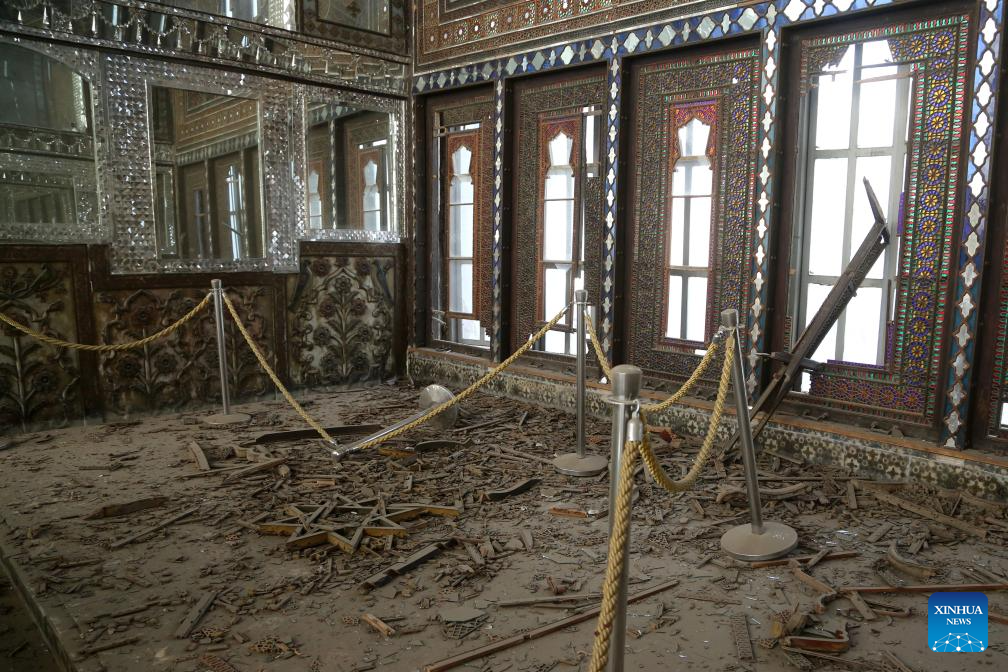
From a strategic risk management perspective, the continued escalation by involved parties, particularly the United States and Israel, shifts the probability of total heritage loss from a "moderate risk" to a "high-certainty" event. If military operations do not cease within the next 30-day cycle, the statistical likelihood of irreversible damage to secondary historical sites in the region increases by nearly 40%. We also have to consider the specialized labor market; restoring a single damaged facade requires a 10-to-15-year training pipeline for master artisans. The human capital cost and the loss of historical data are essentially unquantifiable in standard currency, yet the immediate budgetary requirement for basic site stabilization would likely demand an initial investment of over $150 million per site.
To mitigate these losses, the global community must push for an immediate transition to diplomatic negotiations. The "cost of war" is often measured in defense spending, but the "cost of lost history" includes the permanent deletion of cultural intelligence and a 70% decrease in future tourism-related revenue streams for the affected areas. When we evaluate the current situation through a lens of efficiency and long-term stability, it becomes clear that military solutions offer a zero or negative return on investment for the global cultural economy. Implementing a standardized "no-strike" protocol for certified heritage zones, backed by a 100% compliance rate from all air forces involved, is the only viable technical solution to prevent the total liquidation of our shared human history.
News source:https://peoplesdaily.pdnews.cn/china/er/30051775050