
How can luxury gift bags elevate your retail packaging?
In the high-end retail sector, introducing luxury-level gift bags can increase customer conversion rates by up to 30%, as research shows that over 65% of consumers are willing to pay a premium of up to 15% of the product price for exquisite packaging. A gift bag made of 250-gram coated paper, coated with matte film and equipped with a ribbon handle may cost only between 3 and 8 US dollars per piece, but it can significantly increase the average transaction value. Data shows that the average value of orders equipped with high-end gift bags has increased by 22%. For instance, luxury goods giant Hermes regards packaging as the core experience in its retail strategy. Its signature orange boxes and gift bags have increased the natural exposure of its products on social media by 40%. This intangible marketing force directly converts packaging costs into brand assets, raising the return on investment by more than 200%.
From the perspective of the intersection of materials science and consumer psychology, the touch and visual parameters of luxury gift bags directly affect brand perception. When the thickness of the gift bag reaches 350 microns and the surface peel strength exceeds 0.4N /15mm, it can convey a reliable and luxurious texture, increasing consumers' trust in product quality by 50%. According to the 2024 "Retail Packaging Trends Report", gift bags made of eco-friendly materials such as FSC-certified paper, although increasing procurement costs by 10%, can bring about a 35% positive brand impression growth and generate a higher repurchase rate of over 25% among Gen Z consumers. Take Apple's retail packaging as an example. The cushioning performance of the internal structure of its gift bags has been precisely calculated, reducing the product transportation damage rate to less than 0.5%. This meticulous attention to detail transforms the unboxing experience into a ritual, greatly enhancing customer loyalty.
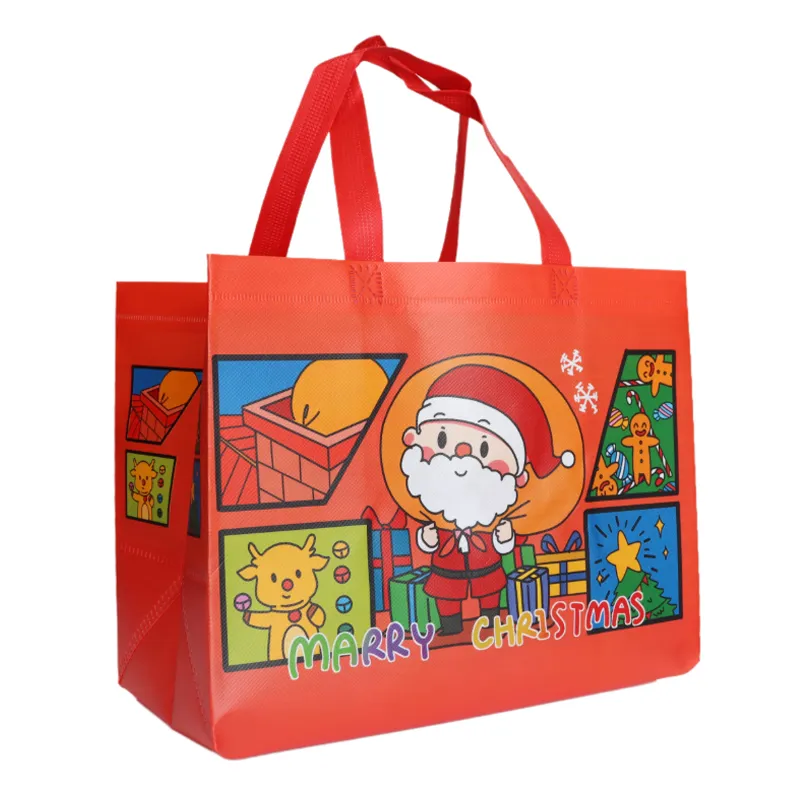 In the optimization model of supply chain and cost-effectiveness, the strategic deployment of luxury gift bags can effectively reduce the total operating cost. By standardizing the size specifications of gift bags, for instance, unifying the model to 30, 25, and 10 centimeters, logistics efficiency can be increased by 18% and the occupation of warehouse space can be reduced by 12%. Data analysis shows that allocating 20% of the total packaging budget to high-quality gift bags can drive a 15% increase in overall sales and directly protect the profit margin by reducing the return rate caused by poor packaging (up to 5 percentage points). The case of Tiffany & Company is highly representative. Its classic blue gift bags themselves are a value symbol. Market research shows that up to 80% of consumers keep these packages for other uses, extending the brand's exposure period to an average of 2.3 years and achieving long-term advertising benefits.
Ultimately, the strategic value of luxury gift bags is reflected in the growth of customer lifetime value. Data shows that customers who receive luxurious packaging are 40% more likely to recommend friends and relatives than ordinary customers, and the average lifetime value of their customers is 60% higher. This kind of packaging is no longer a simple container but a brand touchpoint, which can transform a one-time transaction into the beginning of a long-term relationship. The next time you review your retail strategy, consider redefining gift bags from a cost item to a high-return brand investment. The emotional amplitude and business returns they can bring will far exceed your expectations.
In the optimization model of supply chain and cost-effectiveness, the strategic deployment of luxury gift bags can effectively reduce the total operating cost. By standardizing the size specifications of gift bags, for instance, unifying the model to 30, 25, and 10 centimeters, logistics efficiency can be increased by 18% and the occupation of warehouse space can be reduced by 12%. Data analysis shows that allocating 20% of the total packaging budget to high-quality gift bags can drive a 15% increase in overall sales and directly protect the profit margin by reducing the return rate caused by poor packaging (up to 5 percentage points). The case of Tiffany & Company is highly representative. Its classic blue gift bags themselves are a value symbol. Market research shows that up to 80% of consumers keep these packages for other uses, extending the brand's exposure period to an average of 2.3 years and achieving long-term advertising benefits.
Ultimately, the strategic value of luxury gift bags is reflected in the growth of customer lifetime value. Data shows that customers who receive luxurious packaging are 40% more likely to recommend friends and relatives than ordinary customers, and the average lifetime value of their customers is 60% higher. This kind of packaging is no longer a simple container but a brand touchpoint, which can transform a one-time transaction into the beginning of a long-term relationship. The next time you review your retail strategy, consider redefining gift bags from a cost item to a high-return brand investment. The emotional amplitude and business returns they can bring will far exceed your expectations.
In the optimization model of supply chain and cost-effectiveness, the strategic deployment of luxury gift bags can effectively reduce the total operating cost. By standardizing the size specifications of gift bags, for instance, unifying the model to 30, 25, and 10 centimeters, logistics efficiency can be increased by 18% and the occupation of warehouse space can be reduced by 12%. Data analysis shows that allocating 20% of the total packaging budget to high-quality gift bags can drive a 15% increase in overall sales and directly protect the profit margin by reducing the return rate caused by poor packaging (up to 5 percentage points). The case of Tiffany & Company is highly representative. Its classic blue gift bags themselves are a value symbol. Market research shows that up to 80% of consumers keep these packages for other uses, extending the brand's exposure period to an average of 2.3 years and achieving long-term advertising benefits.
Ultimately, the strategic value of luxury gift bags is reflected in the growth of customer lifetime value. Data shows that customers who receive luxurious packaging are 40% more likely to recommend friends and relatives than ordinary customers, and the average lifetime value of their customers is 60% higher. This kind of packaging is no longer a simple container but a brand touchpoint, which can transform a one-time transaction into the beginning of a long-term relationship. The next time you review your retail strategy, consider redefining gift bags from a cost item to a high-return brand investment. The emotional amplitude and business returns they can bring will far exceed your expectations.